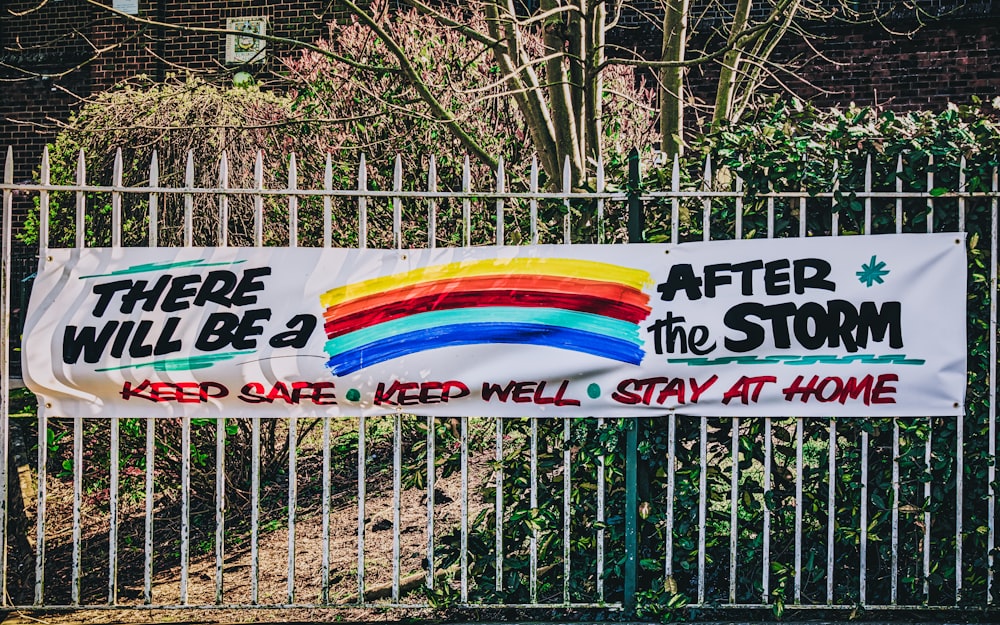
Today's post is slightly more personal than my previous but one that I think many readers can relate to- the way we talk to ourselves and the effects that can have on our mental wellbeing. Generally known as 'self-talk'.
Huh? You may ask, so let me explain. As we approach our sixth week of isolation...I think (it has all become a blur), the endless amounts of spare time has forced me to do a bit of self-reflection. Dangerous, some may say, however, I noticed myself getting into the habit of beating myself up for not having a productive day, not using isolation to do the things that I had previously been too busy to do, not exercising, and for frankly just being a little bit lazy. Negative self-talk.
I realised that, even before isolation, the self-talk I use is overwhelmingly negative and I tend to hinder myself by being unnecessarily mean to myself. Having talked to those close to me, I found that I wasn't the only one to do this. So, I decided to do some research...
What exactly is negative self-talk?
We all have an inner critic. However, this little voice inside us is not always a bad thing. I'm a firm believer that a little self-criticism is a good thing as it pushes us to self-analyse and to hopefully not make the same mistake twice. Self-talk is a normal process that all humans use to make sense of things. However, I've learned that a lot of the things we say to ourselves are negative self-talk, which can actually hinder more than help us.
Negative self-talk is inner dialogue that places limitations on yourself, your ability to believe in yourself and your unique capabilities. This type of self-talk is the irrational things we tell ourselves when a job/ relationship/ life in general doesn't go to plan. It is the thoughts that damage the confidence we have to make positive changes in our lives. For example, suppose you were rejected from a job and automatically doubt your capabilities and employability, the reality is that the job probably wasn't right for you and a better one is waiting around the corner. However, rather than seeing this, we choose to blame ourselves. I am extremely guilty of this kind of self- talk as many of the people close to me know, however, the danger is that if you keep telling yourself these irrational things you will eventually start to believe them.
Why do these negative thoughts happen?
Some reasons may include- a bad mood, learned behaviour that may come from your childhood, anxiety or depression, irrational thoughts that you believe about yourself or due to past experiences. For many of us, being self-critical is almost a default mode. In this post, I thought I would share with you all some things I have learned to help combat negative self-talk. Hopefully, we can learn together to be kinder to ourselves in lockdown, and beyond.
- It Is Not Always Reality
The first thing I’ve been trying to do to reduce negative self-talk is to challenge it. It's important to remember that the majority of our thoughts aren’t true and are often influenced by our mood and other factors. What I have been trying to do when I find myself being self-critical is to take note and challenge myself. Instead of automatically taking these negative thoughts as facts and torturing ourselves, we must practise self-compassion. Being a little bit kinder to ourselves.
"When faced with difficult life struggles, or confronting personal mistakes, failures, and inadequacies, self-compassion responds with kindness rather than harsh self-judgment, recognizing that imperfection is part of the shared human experience." 1
One thing I find helpful is to talk to a family member /friend about the situation I am anxious about. Often, the way they react is the complete opposite of the scenario that my irrational thoughts created in my head.
2. Think Like A Friend
The next time you find yourself engaging in negative self-talk, think about what you would say to a friend who was going through the same thing. Very often, we say things to ourselves that we never would to a friend. You may think this is fine, but the truth is that this repeated habit of self-deprecation can be damaging to your mental well-being and self-confidence in the long run.
This is something that I struggle with. Somehow if my friend is going through something, got a low mark in an assignment or whatever, my immediate reaction is to tell them that it's not a big deal and that they will do better the next time. However, when it comes to myself, I think ‘well, I mustn’t have tried hard enough’. We need to realise that we deserve to give ourselves the same compassion that we would give a friend.
I've decided that battering my brain about things that I could have done better is neither a healthy mindset to have nor a sustainable way to motivate myself. I am who I am because of my flaws just as much as my talents, so I should start accepting that. Anyway, the point is that the next time we find ourselves saying something negative to ourselves, let’s counteract these thoughts by thinking about what we would say to a friend if they were in a similar situation and repeat it to ourselves. Eventually, we should start to believe it...
3. Cut down on social media, especially Instagram
Social media is our worst enemy whenever we are feeling low about ourselves. As the saying goes, comparison is the thief of joy. Whenever we are feeling low, it’s easy for us to compare ourselves to other people on social media and their seemingly 'perfect' lives. During lockdown especially our mental health is challenged, and social media does not help this at all. While I enjoy seeing what everyone has been up to, I have found myself spending hours mindlessly scrolling on Instagram for no apparent reason other than boredom.
Flawless feeds, endless live workouts, and countless people demonstrating their newfound quarantine skills. These are all great things. However, I know from my own experience and that of my friends, this constant scrolling has resulted in me feeling crappy if I didn’t have a productive day or feel like doing any of the things those on my feed were doing. Ultimately leading me to engage in negative self-talk.
Having actively reduced the time I spend on my phone, I have found that I feel much better about my days and now fill them with things that I want to do, rather than what I feel I have to. It’s fine to do things at your own pace.
The same applies to life outside of lockdown as well. As a generation, we aspire to perfection in all areas of life and social media is a great contributing factor to this. The problem with social comparisons is that they are not realistic. Life is not perfect nor straightforward, far from it. I would love to say that I have my life together in all aspects, but I don’t think anyone ever really does. With this in mind, we should remember that most people on Instagram or whatever social platform it may be, are only presenting the best version of themselves. Those who you compare your body, job, relationship to, most likely have their own insecurities and parts of their lives they are unhappy with too.

So, I hope reading this will help you all to remember that, while its important to be kind to other people, we must make sure to be kind to ourselves. Instead of just accepting negative self-talk as part of the way we are as humans, let's change up the pattern and practise these small things to try to reduce it. Practising positive self-talk will in return make you a lot happier and it will make reaching your goals a lot easier.
You really do deserve it.
Also, disclaimer alert- I am obviously no expert but I just thought it would be helpful to share what I have learned based on research I have done. However, if you have intense negative thoughts that you feel are unmanageable, please chat to someone close to you or I have provided contact information for people who can help below. Even if it's simply wanting someone to talk to.
Samaritans UK - phone number available to call 24 hours a day 7 days a week: 116 123
Click here for a list of suicide crisis lines for wherever you are in the world.
[1] Kristin Neff, a Professor of Educational Psychology.